The aircraft became a system
Modern remote warfare depends on links, sensors, software, analysts, maintainers, crews, legal authorities, and supported forces. The vehicle is only one component.
 Remote WarriorResource Portal
A history of unmanned aircraft systems
Unmanned aviation did not arrive through one invention. It emerged as control, guidance, sensors, communications, weapons, networks, and organizations were gradually joined into a global operational system.
Each entry identifies a technological advance, the operational change it enabled, and a quiet reminder of what technology did not solve. Dates mark useful turning points, not the only origin of an idea. UAS history developed across countries, services, laboratories, industries, and conflicts.
1898 to 1951
The first systems proved that command, stabilization, reuse, and flight could be separated from a person aboard the vehicle.
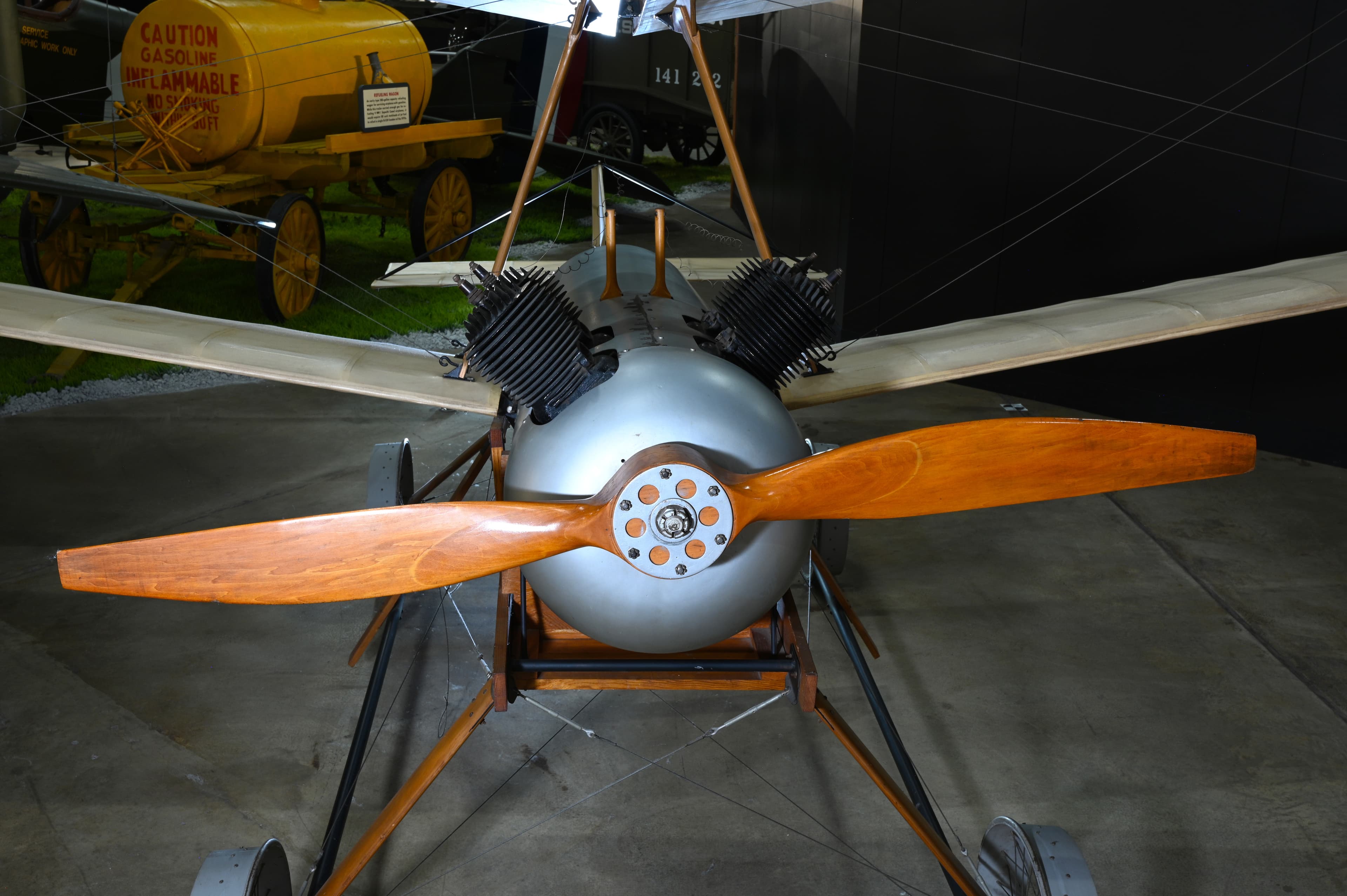
The experimental Kettering Aerial Torpedo used internal pneumatic and electrical controls to stabilize itself and fly a preset distance toward a target. It did not enter combat, but it joined aircraft, guidance, and payload into one unmanned weapon concept.
1960s to 1991
Sensors, live video, and tactical adoption moved unmanned aircraft from targets into active battlefield support.
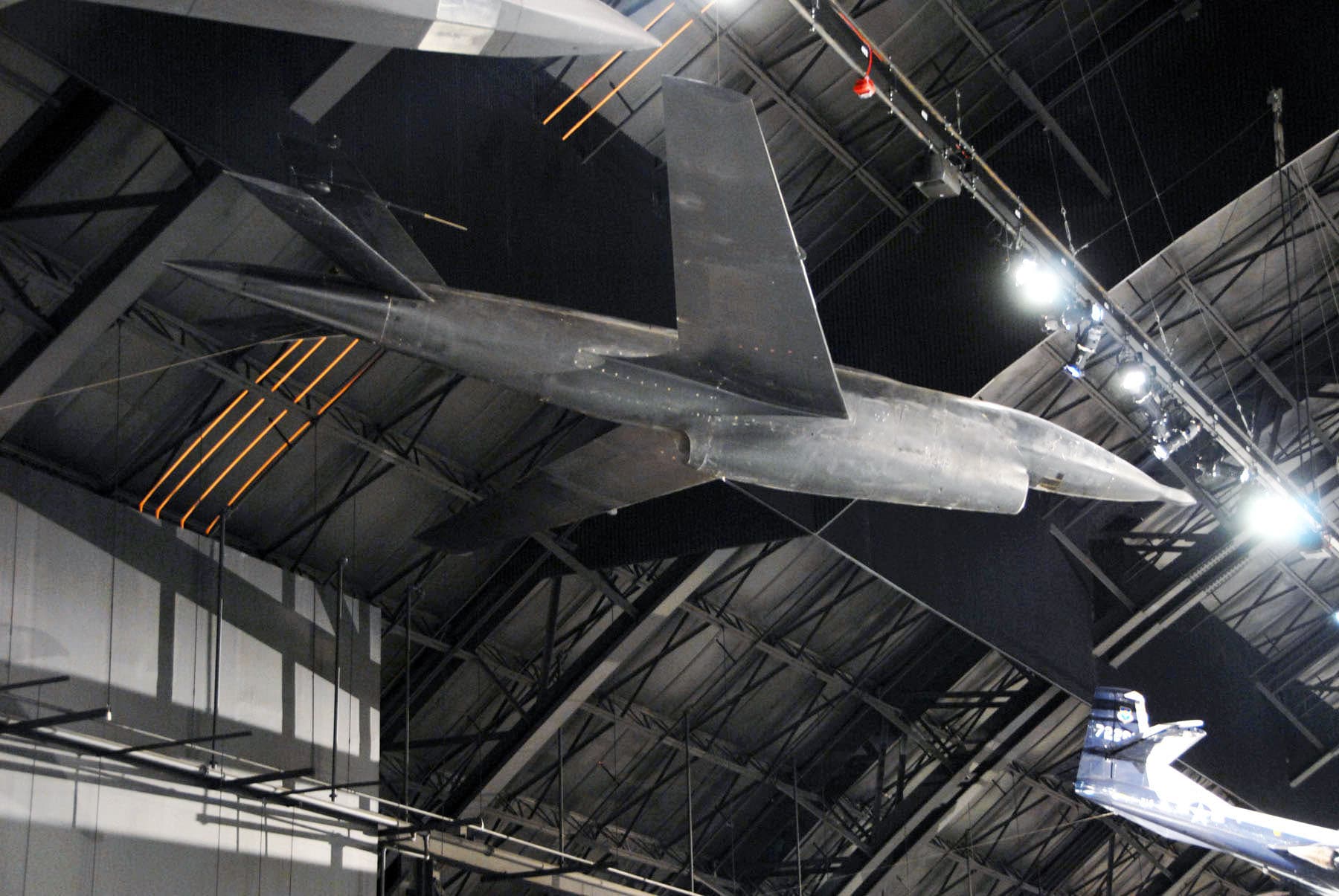
Model 147 and AQM-34 variants flew reconnaissance and electronic-intelligence missions over Southeast Asia. Preprogrammed routes, high-altitude performance, specialized sensors, and recovery systems showed that unmanned aircraft could repeatedly collect information where crewed flight was dangerous.
1994 to 2007
Satellite links, endurance, weapons, and reachback connected distant crews to continuous operations.
2000s to 2017
Smaller aircraft widened access while growing data volumes made analysis and machine assistance central to the mission.
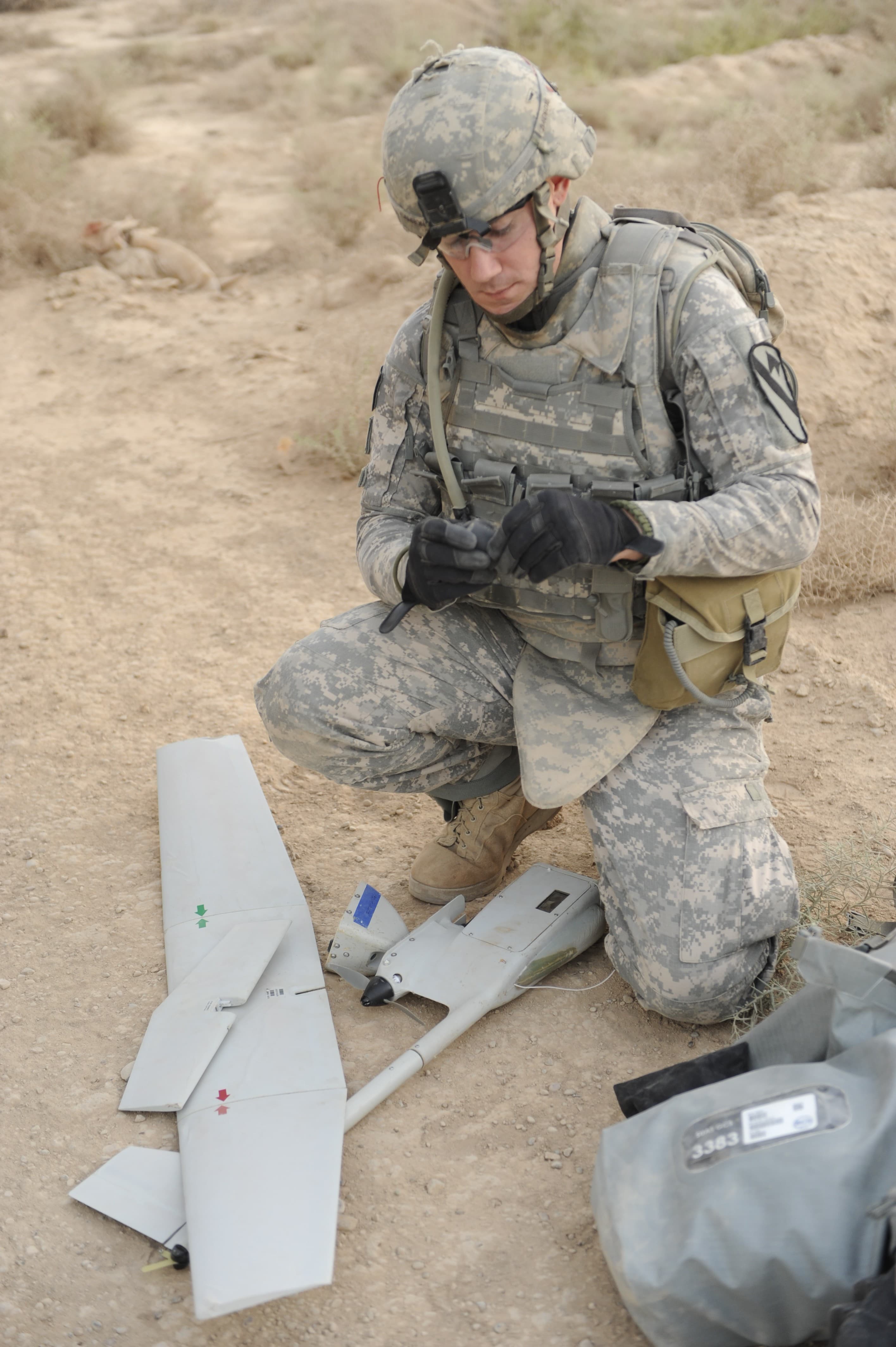
Hand-launched systems such as Raven gave small units organic day and night reconnaissance, surveillance, and force-protection tools. Live aerial perspective no longer belonged only to theater-level organizations or large airframes.
2020s forward
Low-cost systems and collaborative autonomy are changing scale, tempo, supervision, and responsibility.
The larger pattern
Every breakthrough increased reach, persistence, information, or speed. Each also changed the work required of the people responsible for the system.
Modern remote warfare depends on links, sensors, software, analysts, maintainers, crews, legal authorities, and supported forces. The vehicle is only one component.
Removing the crew from the aircraft reduced some physical risks while creating new patterns of operational presence, repetition, shift work, and transition between combat and home.
As systems take on more control and analysis, human work shifts toward supervision, interpretation, intervention, and accountability. That work must be designed, trained, and studied.
Source trail
Images shown here are official U.S. military photographs. Historical claims are grounded in museum, service, and Department of Defense sources.